Understanding Braille Signages in India: Importance, Benefits & Compliance Standards
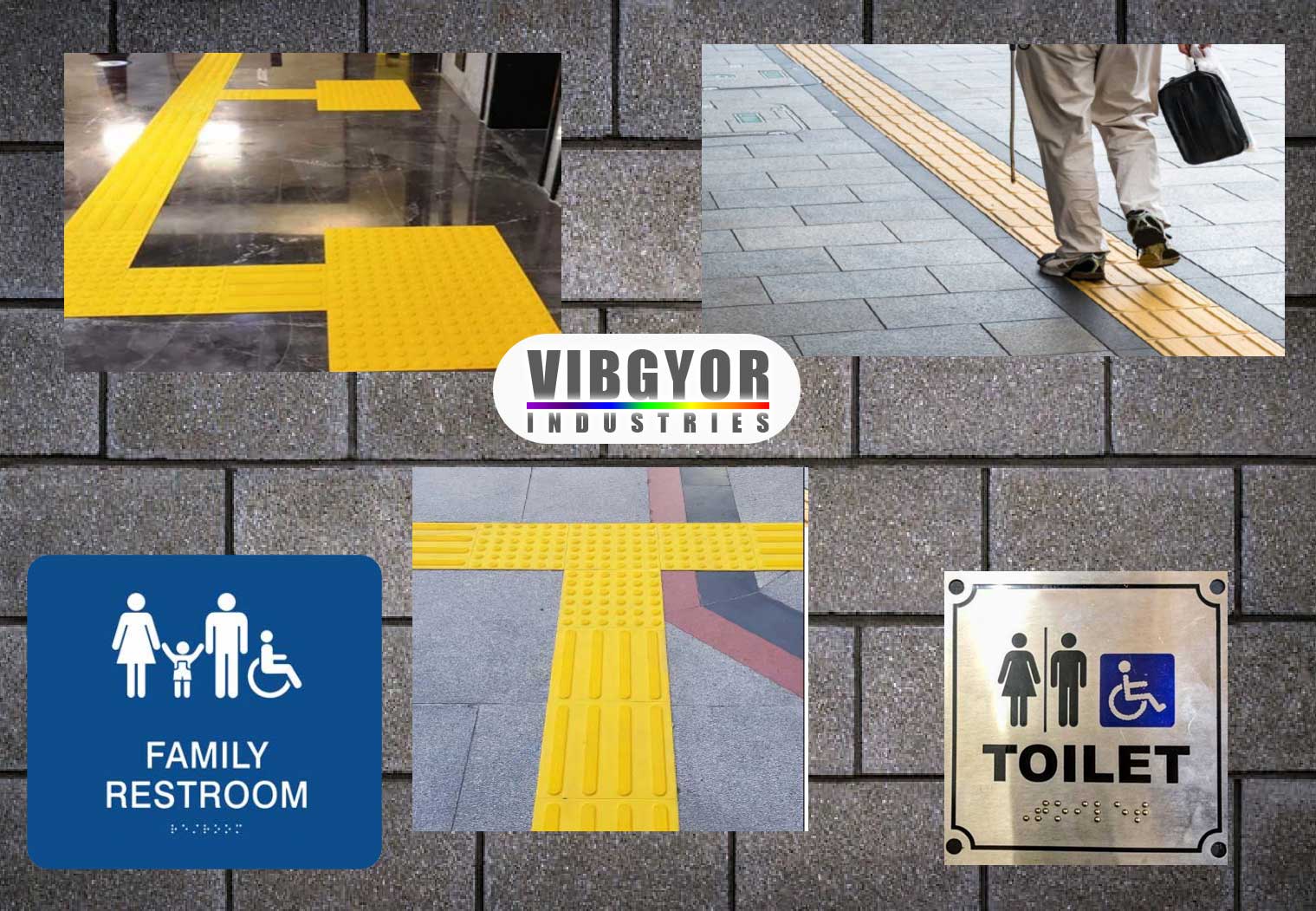
Promoting accessibility and inclusivity is an obligation every public facility should embrace. One of the primary ways to support equal access for individuals with visual impairments is through Braille and tactile signage systems. In recent years, the demand for durable, accurate tactile sign boards has grown rapidly, making the selection of the right Braille signage manufacturer in India increasingly important.
Significance of Braille Signages in Indian Public Spaces
Public buildings—such as airports, railway stations, hospitals, government offices, schools, malls, hotels, and metro stations—are designed for everyone. However, for millions of visually impaired individuals, moving around these environments becomes a challenge without the presence of tactile cues.
Braille signages play a critical role by offering:
1. Independent Navigation
Braille signs positioned near doors, lifts, and pathways enable independent movement without constant human assistance.
2. Compliance With Accessibility Laws
As per the RPwD Act and national standards, installing Braille signage is a legal obligation, not an option.
3. Enhanced Safety in Public Spaces
Tactile accuracy helps prevent confusion, accidents, and dependency, especially in complex environments like transport terminals or large offices.
4. Support for Inclusive Development
Accessibility is integral to India’s Smart Cities initiative, and Braille signage ensures inclusivity for all.
How Braille Sign Boards Improve Accessibility for the Visually Impaired
Braille sign boards are far more than mere labels—they serve as a bridge to information and independence.
Here’s how they directly improve accessibility:
? Provide Clear, Touch-Readable Information – Raised dots and tactile alphabets enable users to quickly recognise rooms, directions, and other areas.
? Reduce the Need for Assistance – By improving clarity, Braille signage minimises the need Braille signage manufacturer for constant human assistance.
? Improve Dignity and Confidence – Independence through tactile guidance fosters self-assurance and reduces dependency.
? Enable Better Orientation in New Spaces – In unfamiliar environments like hospitals or corporate offices, Braille signs help users develop a mental map of their surroundings.
For these reasons, institutions must collaborate with a reliable Braille signage manufacturer in India that ensures both accuracy and durability.
Standards and Guidelines for Braille Signage in India
India has established clear standards to make Braille and tactile signs consistent, durable, and readable. The most recognised include:
1. IS 16900: Indian Standards for Tactile/Braille Signage
This standard specifies:
? Specifications for Braille dot height, spacing, and alignment
? Proportionate font size for tactile clarity
? Grade 1 Braille consistency across signage
? Placement height between 1200–1500 mm from floor level
? High contrast and legibility requirements
? Durability, UV, and scratch resistance criteria
2. Harmonised Guidelines for Accessibility (CPWD / MoHUA)
These guidelines require:
? Installation of tactile signage at key decision and entry points
? Standardised placement on every floor
? Clear tactile markers at entry and transition zones
? Fade-resistant, tactile-friendly material specifications
3. RPwD Act Compliance
All public-use buildings—both government and private—must ensure accessible signage that aligns with national disability norms.
Conclusion
Braille signages are far more than architectural add-ons—they are a cornerstone of accessibility and inclusion in modern India. They support visually impaired individuals with freedom, safety, and confidence, while ensuring buildings meet national standards.
Only a skilled manufacturer can provide the accuracy, durability, and compliance needed for true accessibility. With proper implementation, a barrier-free, inclusive India becomes not just a vision but a reality.